

If you’ve ever dreamed of making a perfectly flaky, buttery pie crust from scratch — without fancy kitchen gadgets — you’re in the right place. Making pie dough by hand is not only simple but also incredibly satisfying. You control every step, feel the texture change beneath your fingers, and end up with a crust so tender and crisp it rivals any bakery.
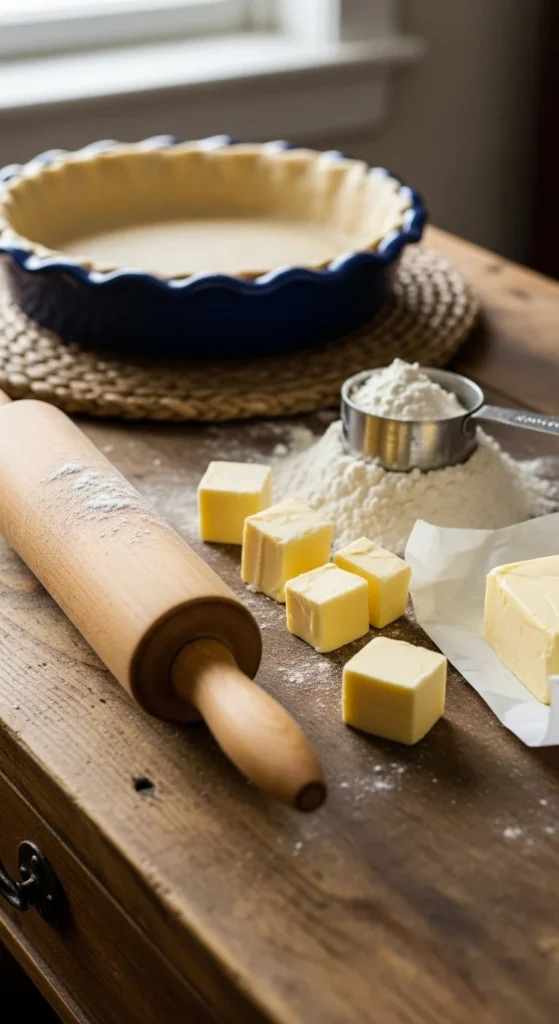
Whether you’re making an apple pie, quiche, or chicken pot pie, this foolproof method will give you bakery-quality results — using just your hands, a bowl, and a fork.
Step 1: Gather Your Ingredients
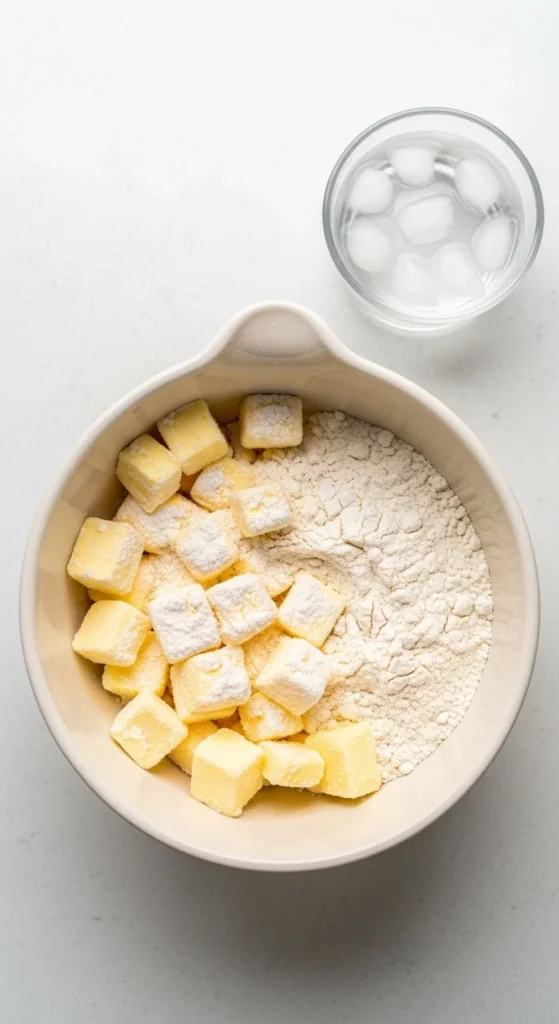
A flaky crust starts with simple, cold ingredients. The key is temperature — keeping everything cold ensures layers of butter form flaky pockets when baked.
You’ll need:
- 2 ½ cups all-purpose flour
- 1 teaspoon salt
- 1 tablespoon sugar (optional, for sweet pies)
- 1 cup (2 sticks) unsalted butter, cold and cut into cubes
- 6–8 tablespoons ice water
Tip: Freeze your butter for 10 minutes before starting. The colder, the better!
Step 2: Mix the Dry Ingredients
In a large mixing bowl, whisk together your flour, salt, and sugar (if using). This ensures an even distribution before adding the butter.
Keep your hands out of the bowl for now — we’ll need them cold and ready for the next step.
Step 3: Cut the Butter into the Flour
Here’s where the magic happens. If you had a food processor, it would pulse everything together — but we’ll do it the old-fashioned way.
Try one of these manual methods:
- Pastry cutter: Press and twist the cutter through the butter until you get coarse crumbs.
- Fork method: Use two forks to mash and mix the butter into the flour.
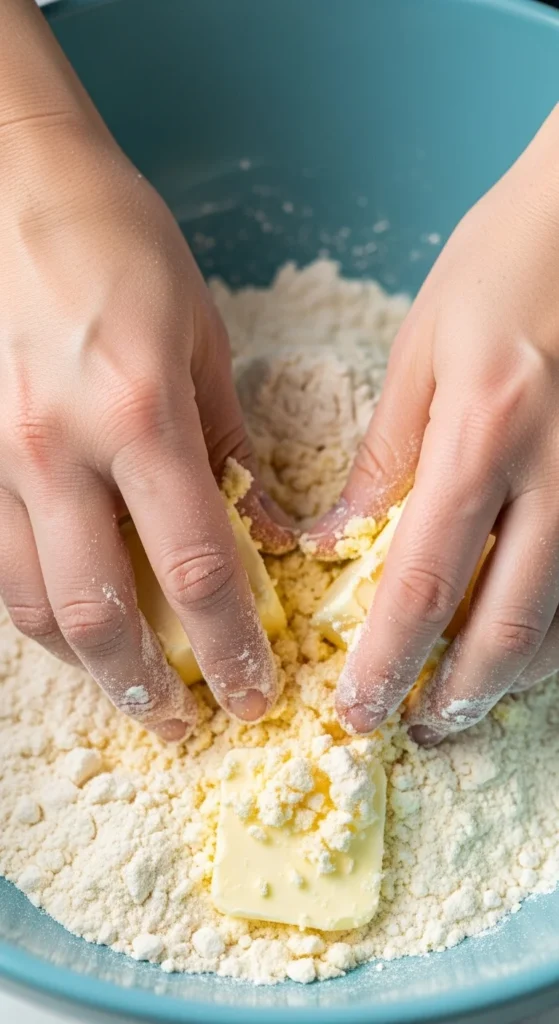
- Finger method: Rub the butter pieces between your fingertips, coating them with flour until you see pea-sized bits.
You’re aiming for a shaggy texture — some small bits of butter should still be visible. These will create those lovely flaky layers once baked.
Step 4: Add Ice Water Gradually
Sprinkle in ice-cold water, one tablespoon at a time. Gently mix with a fork after each addition until the dough just starts to come together.
Avoid overmixing — this step is all about restraint. The dough should be slightly crumbly but hold when pressed.
Tip: Humidity can affect how much water you need. Start with 6 tablespoons, then add more if necessary.
Step 5: Form and Chill the Dough
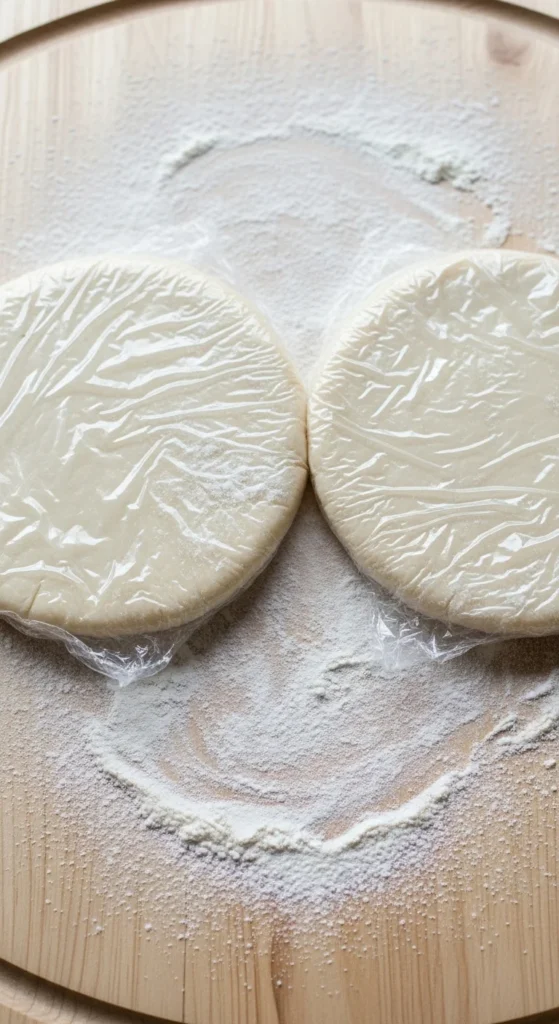
Gather the dough into a ball, then divide it in half if you’re making a double crust. Flatten each portion into a disk, wrap in plastic wrap, and chill for at least 1 hour.
Chilling helps the gluten relax and the butter firm up again — both essential for that tender, flaky bite.
Step 6: Roll It Out
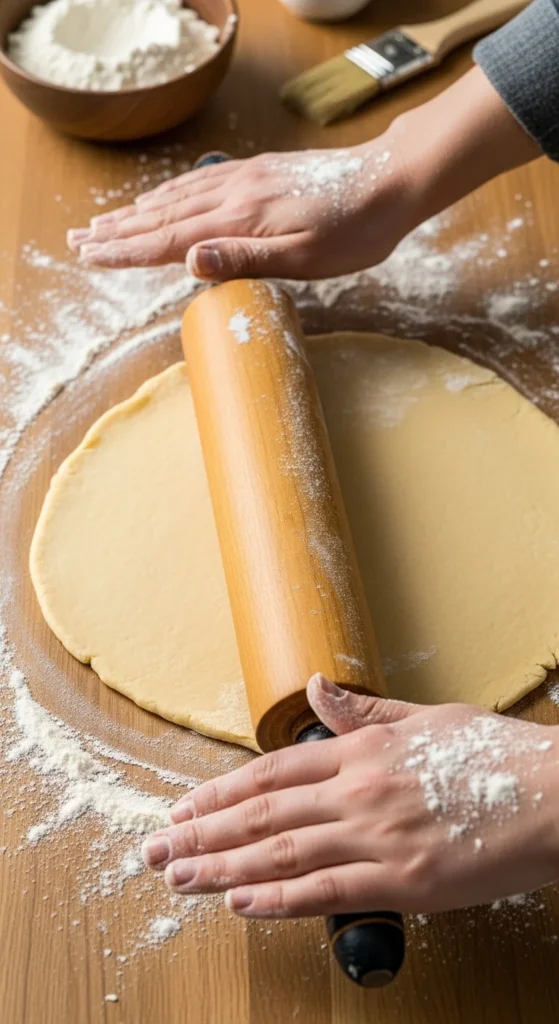
Once chilled, lightly flour your counter and rolling pin. Roll out the dough from the center outward, turning it a quarter turn each time to keep it even.
If it sticks, sprinkle a bit more flour — but don’t overdo it, or your crust can become tough. Aim for about ⅛-inch thickness.
Tip: If your dough starts to soften, pop it back into the fridge for 5–10 minutes before continuing.
Step 7: Assemble and Bake
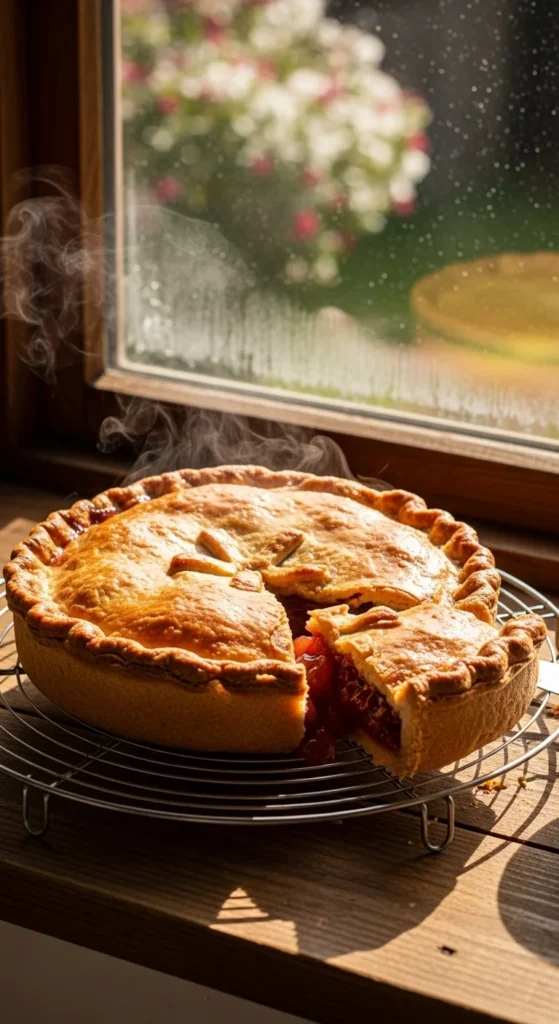
Place your rolled-out dough in the pie dish, gently pressing it into the corners. Trim any excess, fold the edges under, and crimp them for a decorative finish.
For a pre-baked shell (like for cream pies), prick the bottom with a fork and bake with pie weights at 375°F (190°C) for 15–20 minutes.
For filled pies, brush the top crust with an egg wash for a golden, glossy finish before baking.
Pro Tips for Perfect Flakiness
- Use cold everything: Butter, water, even your hands if you can!
- Don’t overwork the dough: The less you handle it, the flakier it will be.
- Chill between steps: When in doubt, refrigerate. Cold dough = crisp crust.
- Bake hot: A hot oven sets the butter quickly, creating those signature layers.
Final Takeaway
And there you have it — a flaky, buttery pie crust made entirely by hand. No food processor needed, just patience and a few clever techniques. Once you master this, you’ll never reach for store-bought dough again!
🥧 Save this recipe for later so you can whip up perfect pies anytime — whether it’s apple, pumpkin, or something savory.

Leave a Reply