

There’s something timeless about classic shortbread — buttery, crumbly, and perfectly sweet. The kind that dissolves gently on your tongue and leaves you reaching for “just one more.” Whether you’re making them for a cozy afternoon tea, gifting them for the holidays, or simply indulging in a homemade treat, buttery shortbread is one of the simplest yet most satisfying cookies you can bake.

The Secret to Perfect Shortbread
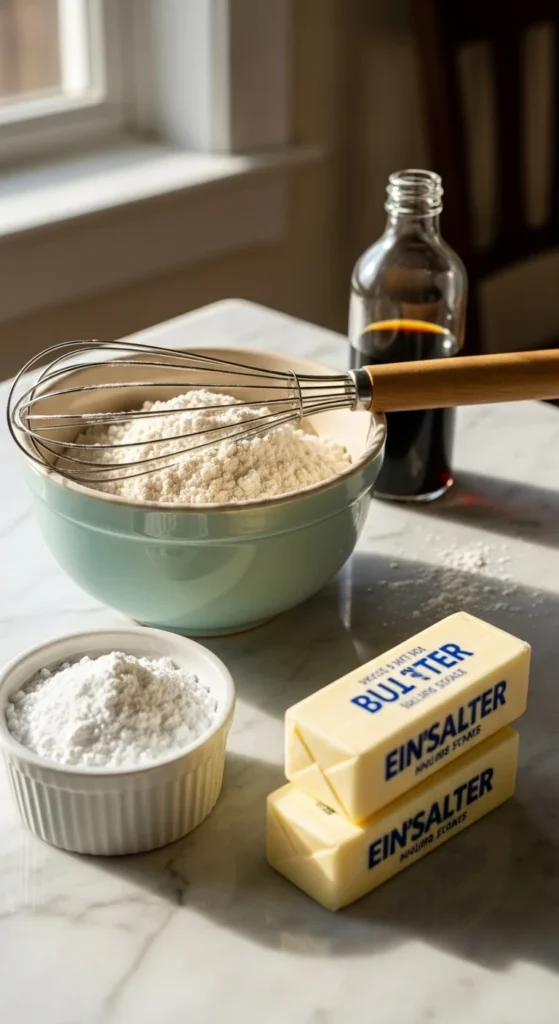
Shortbread might have just a few ingredients, but each one plays a big role in that melt-in-your-mouth texture. The key? High-quality butter and the right balance between flour and sugar.
Here’s what makes it magical:
- Butter: Always use unsalted, high-fat European-style butter. It gives richness and that luxurious crumbly texture.
- Sugar: Use powdered sugar (also called confectioners’ sugar) for a softer bite. Granulated sugar can make the texture gritty.
- Flour: All-purpose flour is perfect — it gives structure without making the cookies tough.
- Optional flavorings: A hint of vanilla extract, almond extract, or even lemon zest can add a personal touch.
Step 1: Mix the Butter and Sugar
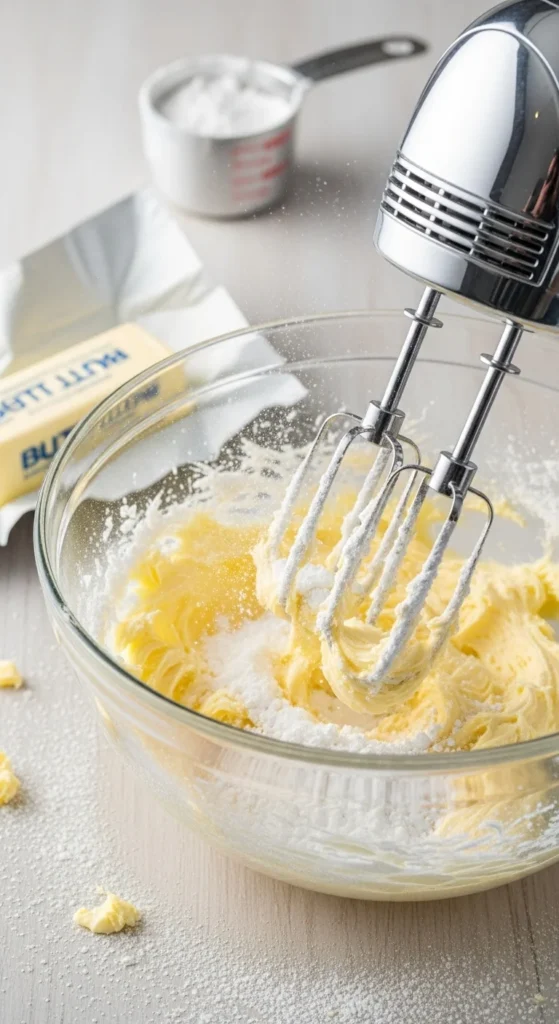
Start by creaming the butter and sugar together. This is where the shortbread gets its lightness and texture.
- Beat 1 cup (2 sticks) of unsalted butter until smooth and creamy.
- Add ½ cup powdered sugar and continue mixing until fluffy and pale.
- Stir in 1 teaspoon vanilla extract (or your chosen flavoring).
Pro tip: Don’t overbeat — just mix until the butter is light and airy. Overmixing can make the cookies greasy.
Step 2: Add the Flour
Once your butter mixture is fluffy, it’s time to add the flour.
- Gradually add 2 cups of all-purpose flour.
- Mix on low speed until a soft dough forms — it should look crumbly but hold together when pressed.
- If it feels too dry, add 1 teaspoon of milk at a time until it comes together.
Baker’s tip: Don’t knead the dough too much. Handle it gently so it stays tender and buttery.
Step 3: Shape and Chill
Shortbread needs a little chilling time to hold its shape while baking.
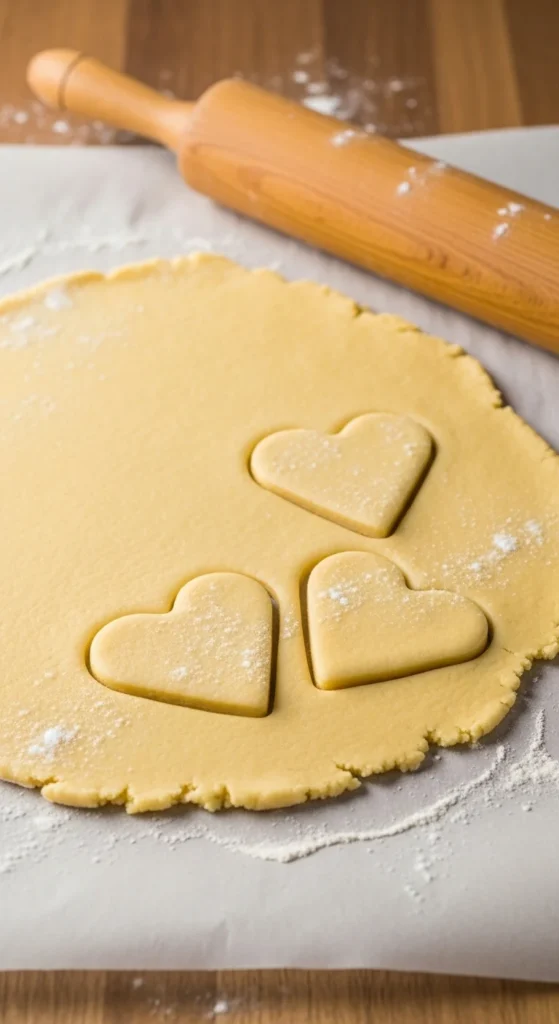
- Roll the dough between two sheets of parchment paper to about ½ inch thick.
- Cut into your favorite shapes — classic rectangles, rounds, or even festive cutouts.
- Place them on a baking tray and chill for 30 minutes in the fridge.
Why chill? Chilling solidifies the butter, helping the cookies keep their shape and preventing spreading.
Step 4: Bake to Perfection
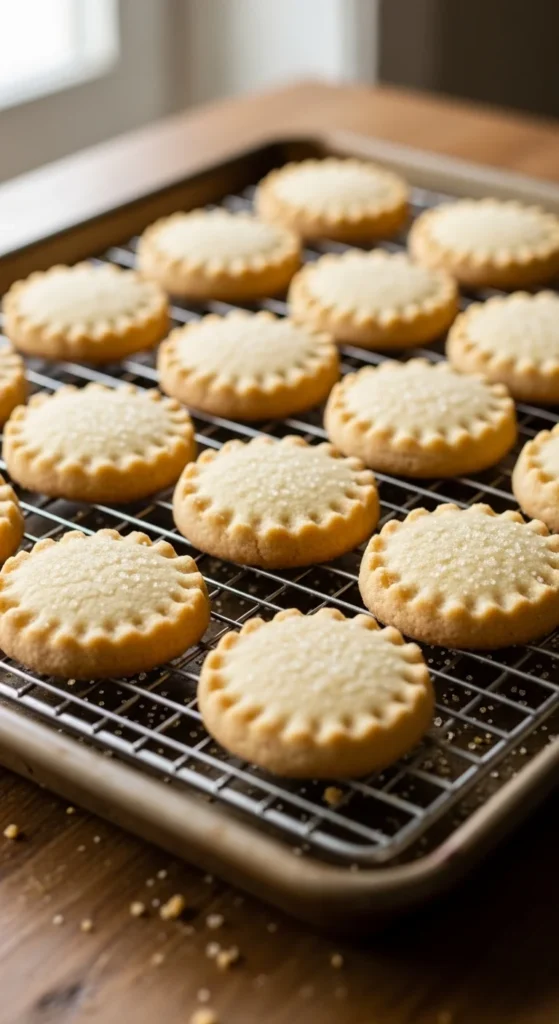
Preheat your oven to 325°F (160°C). Bake for 15–20 minutes, or until the edges just start to turn golden.
Tips for the best bake:
- Watch closely — shortbread can go from pale to overbaked quickly.
- For extra crisp edges, sprinkle a little sugar on top before baking.
- Let them cool on the baking sheet for 5 minutes, then transfer to a rack to cool completely.
Step 5: Add Finishing Touches
Once cooled, you can enjoy them plain or dress them up a little:
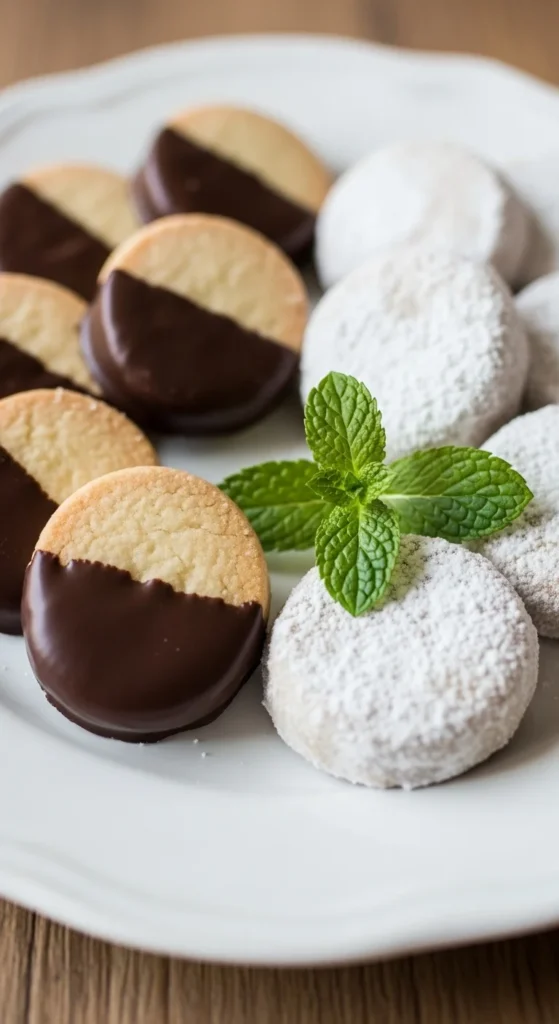
- Dip half in melted chocolate and let it harden for a fancy look.
- Drizzle with caramel or white chocolate for a modern twist.
- Dust with powdered sugar for a snowy, classic finish.
Storage Tips
Shortbread keeps beautifully — in fact, it often tastes even better after a day or two as the flavors deepen.
- Store in an airtight container at room temperature for up to 2 weeks.
- Freeze baked cookies or unbaked dough for up to 3 months — just thaw before baking.
Final Thoughts
Shortbread is proof that simplicity can be delicious. With just a few pantry staples and a bit of patience, you can make cookies that melt in your mouth and fill your kitchen with the irresistible aroma of butter and sugar.
So next time you crave something sweet and comforting, save this recipe for later — your future self (and your taste buds) will thank you!


Leave a Reply